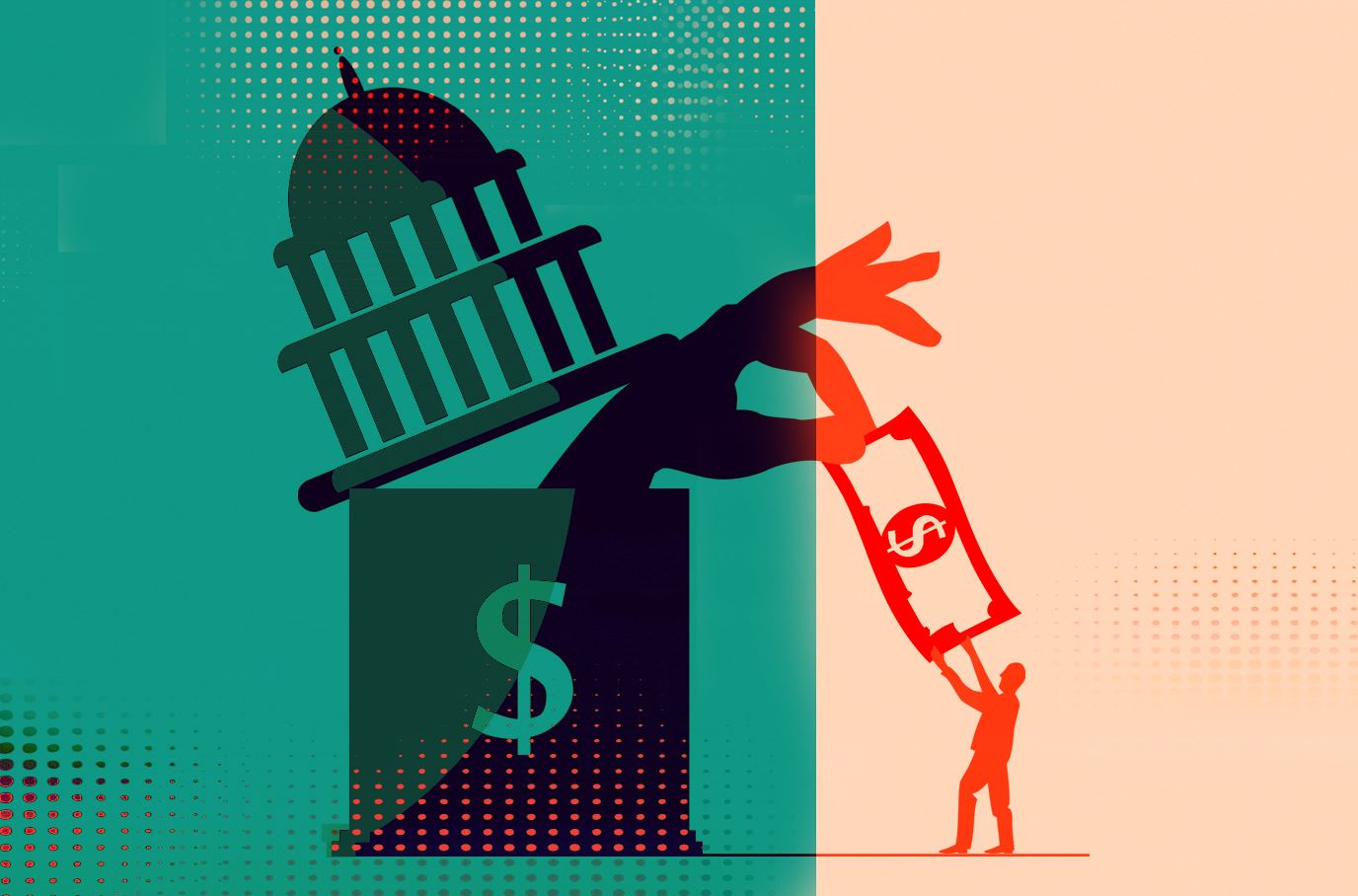
The houses of the future: trends and curiosities of real estate around the world
Hybrid, with multifunctional spaces, the use of recycled and sustainable materials and the presence of open spaces and common areas.
Read More
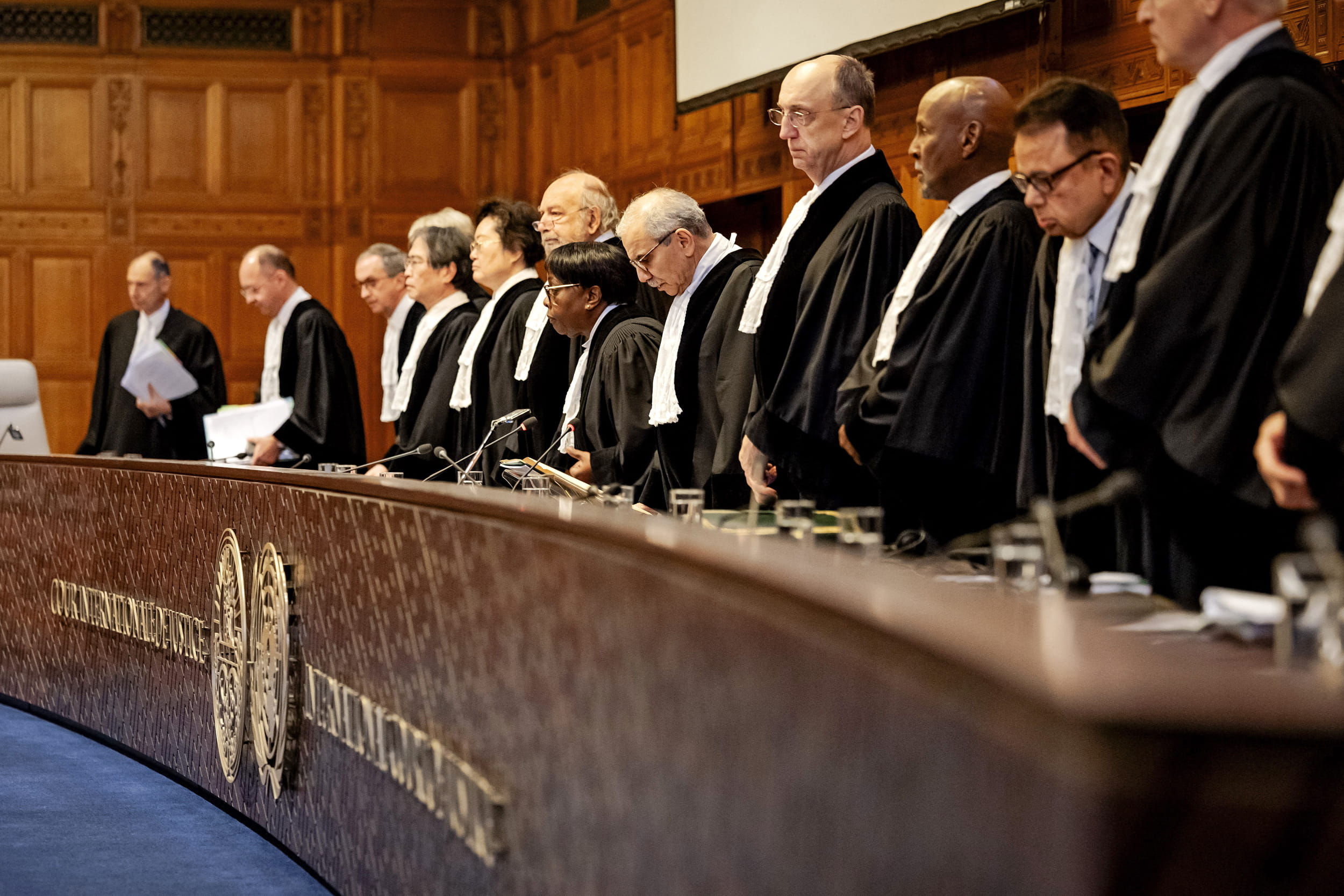
Pacta sunt servanda — agreements must be honoured. Perhaps no longer. One of the cornerstones of international law, enshrined in Article 26 of the Vienna Convention on the Law of Treaties (1969), which is meant to guarantee the stability of international relations, appears today increasingly fragile.
Treaties once signed with solemnity are disregarded, often without real consequences, undermining the credibility of the entire international legal system. Many of these agreements were born in the aftermath of the Second World War, when the horror of global conflict had made the need for shared rules self-evident. Today, with the fading of that spirit of cohesion, their resilience appears ever more precarious.
In a world now dominated by power dynamics and sovereignist policies, questions arise about the relevance and effectiveness of multilateralism and treaty law, which for decades governed relations between states.
The United Nations Charter itself, adopted with the aim of guaranteeing peace and collective security, too often proves ineffective in the face of global crises. Consider also the constant violations of the four Geneva Conventions and their Additional Protocols — the foundation of international humanitarian law — without triggering adequate responses, or often any response at all, from international institutions or world public opinion. The millions of victims, not only in the Middle East but also in the Democratic Republic of Congo, Myanmar, and Sudan, bear witness to this, as Pope Francis recently recalled.
There was once a shared consensus on terms such as "genocide." Today, despite the existence of a UN Convention defining it, the very use of the word has become divisive, instrumentalised according to political convenience.
As evidence of a progressive disengagement from multilateral cooperation, one must first mention the failure of major global powers to accede to fundamental treaties, such as the Rome Statute of the International Criminal Court; then, the withdrawals from international agreements such as Brexit or the recent US departure from the World Health Organization. To say nothing of the bill promoted by the American Republican Party on US withdrawal from the UN, described by Trump as "a club where people get together, talk, and have a good time"; and finally, the decision-making paralysis gripping the World Trade Organization (WTO).
The causes of the crisis in international treaty law are multiple and interconnected.
First, the ineffectiveness of international institutions — organisations perceived as no longer representative, self-referential, and incapable of addressing contemporary challenges. Institutions such as the UN and the International Criminal Court today appear powerless over the actions of states. The UN Security Council is frequently paralysed by the veto rights of permanent members, preventing timely intervention in crisis situations.
Second, we are witnessing the fragmentation of Western consensus: whereas during the Cold War the West presented a relatively united front on fundamental principles, today deep internal divisions are emerging. The rise of nationalist and sovereignist movements has undermined the cohesion necessary to sustain multilateralism, reducing the capacity to negotiate and maintain international agreements.
Finally, the rise of new powers has redrawn the balance of power and accelerated the decline of the multilateral order. Countries such as China and India are claiming a greater role in shaping global rules, often in conflict with Western standards. The recent entry of Cuba and Bolivia into the BRICS bloc is symptomatic of the desire to redefine the international balance. This shift of power toward a bloc alternative to the hegemonic system of Western economies contributes to the weakening of the traditional multilateral order, which struggles to adapt to the new balance of power.
Faced with these challenges, international law risks losing its primary function of guaranteeing an order based on shared rules. And it risks, ultimately, losing its force.
Yet this crisis can — indeed should — represent an opportunity for a profound reform of international institutions. The growing fragmentation of international law, with the proliferation of norms and jurisdictions, could indicate an evolution toward greater specialisation. But without a renewed commitment by states to strengthen these rules, the risk is a return to a world in which the law of the strongest prevails over the strength of the law.
The crucial question is whether the international community is willing to adopt the reforms necessary to adapt international law to the challenges of the twenty-first century. In the absence of concrete commitment, we risk witnessing not only the erosion of the legal achievements of the past, but a progressive return to international anarchy.